Designing Better Customer Experiences
In this article, we share five ways to design compelling and purpose-driven customer experiences (CX) that build mutual value and are grounded in long-term trust and respect.
“My agency never listens to me.” It’s one of the most common responses we get when asking prospects why they’re looking for a new partner.
For Mightybytes, a good customer experience starts with active listening and verifying values alignment. It’s important we do both from the first conversation:
- Active listening helps us understand a customer’s problem, craft a better proposal and, eventually, design better solutions.
- Values alignment helps us nurture trust and build long-term, mutual success.
However, it doesn’t stop there. These are just core stepping stones to how we build meaningful, intentional customer experiences that foster long-term success and create transformative change for the clients we work with.
Let’s pull back the curtain on five critical components to designing successful customer experiences. We also share examples from our own history and answer common questions about what it takes to operationalize these practices.
Key Takeaways
- Designing compelling customer experiences (CX) fosters mutual value and builds long-term trust.
- Active listening and values alignment are essential for understanding customer needs and nurturing relationships.
- Mightybytes focuses on Service Design, stakeholder governance, and continuous improvement for effective CX.
- Enhancing customer experience includes research, journey mapping, and embracing transparency.
- Prioritizing stakeholder perspectives drives better business practices and innovation in customer experience.
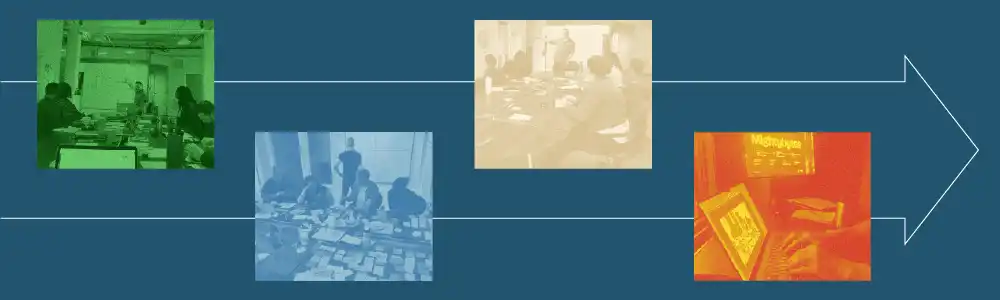
Designing Winning Customer Experiences
Good customer experiences blend Service Design and governance practices with a real-world commitment to building trust and nurturing mutual respect while helping clients measure, meet, or exceed their goals over time.
At Mightybytes, customer experiences are intentionally designed and thoughtfully executed. We learn as we go together with our clients while simultaneously tapping into decades of past experience.
We attribute our long-term CX success to three things:
- Clear, stakeholder-driven governance practices
- Collaborative Experience Design and Service Design methods
- A long-term commitment to continuous learning and improvement
These practices help us improve collaboration, foster innovation, and drive target outcomes for our clients rather than simply checking off a list of outputs.
Most client relationships at Mightybytes have lasted for many years, some pushing twenty. We maintain this track record by rigorously focusing on the three points above.
4.75 Out of 5 Stars
In a recent customer satisfaction survey, Mightybytes consistently received the highest marks for strategy and level of service in helping our clients reach key goals.
Read our other reviews on Clutch.
Aligning Values: B Corp Governance
As a Certified B Corp since 2011, nurturing productive, long-term partnerships with values-aligned stakeholders—including clients—also helps us maintain our certification.
Certified B Corps like Mightybytes adopt a long-term vision to build a more inclusive, equitable, and regenerative economy. We do this by meeting high standards of social and environmental performance, transparency, and accountability.

B Corp Impact Hub
Learn what operating as a Certified B Corp means to Mightybytes and our stakeholders.
Together, our movement advances this cause through certification, strategic partnerships, better governance, and a host of related practices. Our global community is now over 11,000 businesses strong and growing.
Prioritizing Stakeholder Needs
Purpose and stakeholder governance make up a core, foundational pillar of B Corp certification. Research has shown that diverse stakeholder perspectives produce better outcomes. Certified B Corps incorporate stakeholder collaboration into the decisions we make to govern our business practices.
Common B Corp stakeholders include:
- Customers
- Workers
- Suppliers
- Community
- Investors
- Environment
Prioritizing stakeholder perspectives in all business practices helps Certified B Corps run better companies.
Stakeholder Mapping Guide
Related content: This stakeholder mapping guide can help you better understand whose perspectives to enlist when co-creating solutions to a problem.
For Mightybytes, stakeholder governance helps us connect day-to-day business practices to longer-term customer experience and innovation strategies that remove friction and build momentum toward better outcomes over time.
Most importantly, when we find customers who share our commitment to co-creating a better future that works for everyone, building trust and mutual respect becomes a whole lot easier.
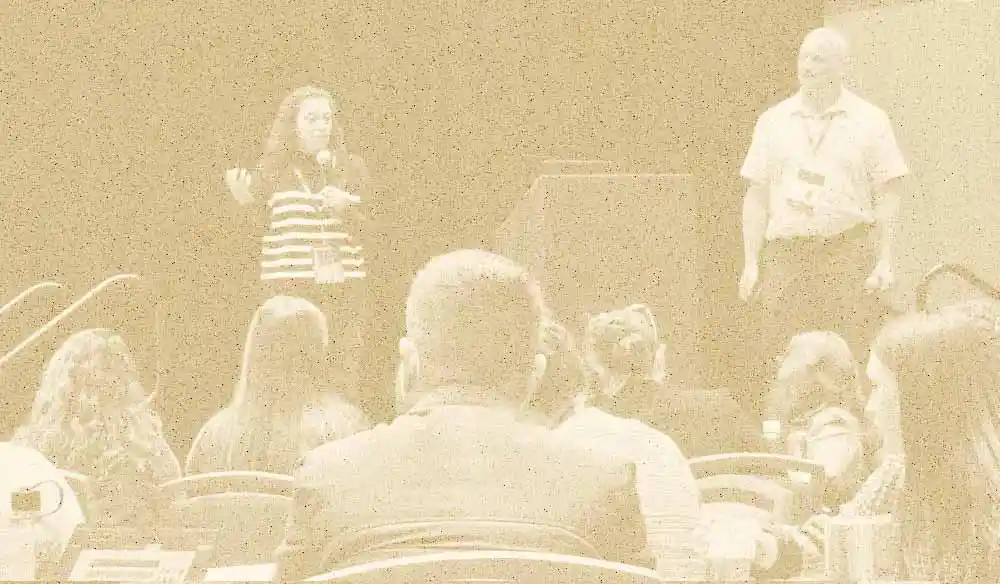
Innovation Opportunities
Similarly, each Certified B Corp enacts our community’s collective vision in its own unique way. Fostering long-term, mutually beneficial relationships with clients who share B Corp values plays an important role in how we fulfill our mission and drive innovation into our business model.
In turn, clients, suppliers, and other stakeholders help us create ongoing, sustainable sources of income and value through impact business models, strategic partnerships, and related means.
In other words, shared prosperity is exemplified in our work through who we choose to do business with and how we conduct that business.
Creating Shared Value
Related content: Social innovation can help you define capital differently. Learn six different ways to create shared value in this article.
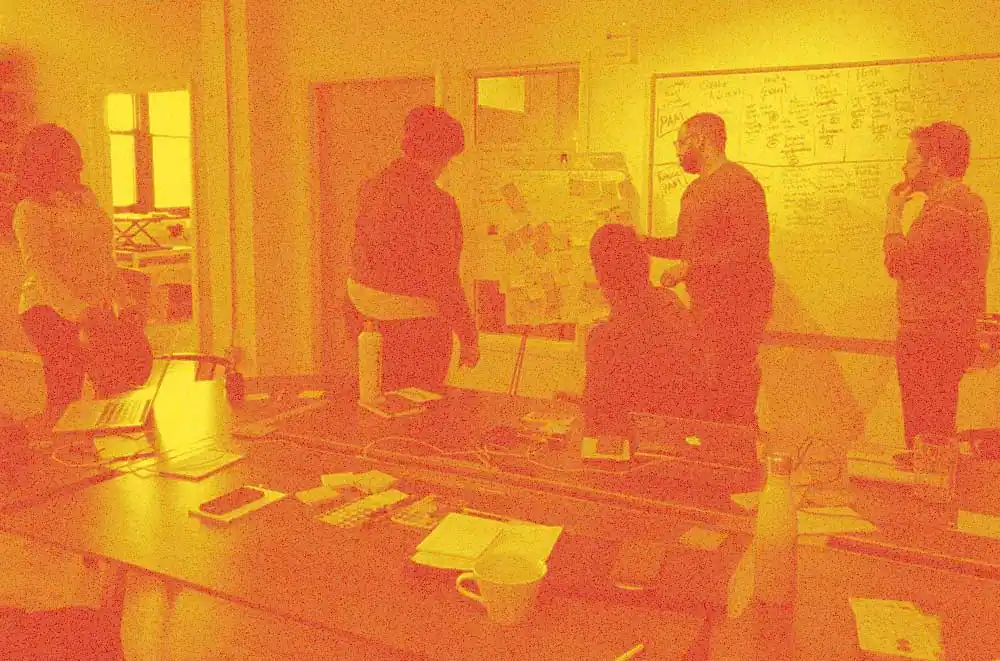
Employing Service Design Practices
Next, User Experience (UX) Design practices have been part of Mightybytes’ toolkit for decades now. Related, Service Design practices help us improve customer and other stakeholder experiences. Service Design includes many exercises and activities grounded in human-centered design, Design Thinking, and related disciplines.
Some of these activities include:
- Systems mapping
- Problem framing
- Contextual interviews and ethnographic research
- Brainstorming, card sorting, clustering, ranking, dot voting, and other ideation methods
- Current- and future-state journey and experience mapping
- Service blueprints
- Prototyping and wireframing
- Scenario planning and investigative rehearsals
- And many more…
These activities help us better understand how customers and other stakeholders perceive a service or program we aim to design or improve. Knowing when to employ each depends on the context of what we hope to achieve.
However, in every case, Service Design activities drive tactical and measurable CX improvements that build trust.
Continuous Learning and Improvement
Additionally, nothing described so far will work if we don’t also prioritize continuous learning and improvement throughout. Our clients depend on this for success and so do we.
Based on organizational agility and Lean Startup principles, we employ the following practices:
- Goals: Set clear goals grounded in the SMARTIE framework—strategic, measurable, ambitious, realistic, time-bound, inclusive, and equitable.
- Test and measure: Create and test hypotheses to track and measure progress toward those goals.
- Pivot or persevere: Make qualified decisions together based on what we learn during each test.
This approach has been a cornerstone to Mightybytes’ process since we first started exploring Agile practices in the early 2000s. We’ve been on a learning journey ever since.
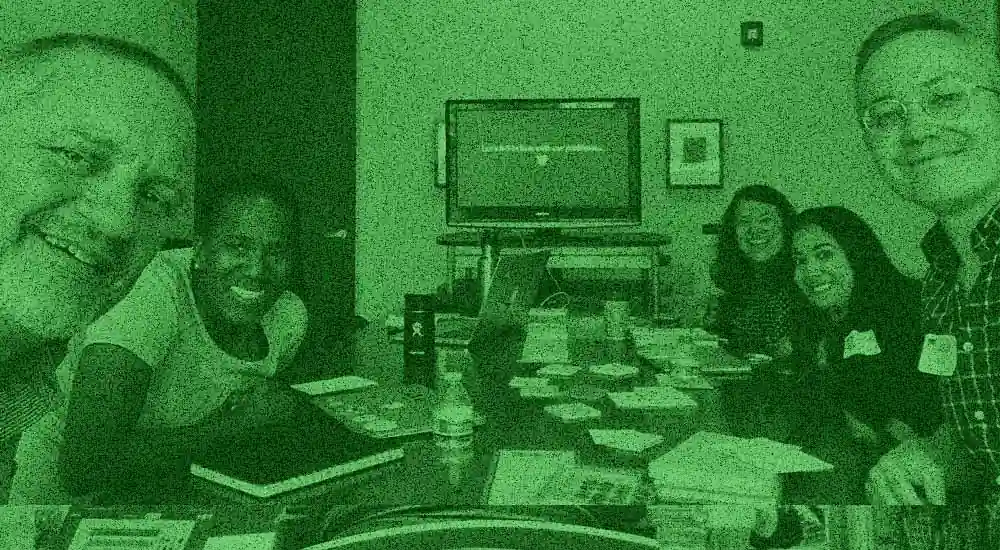
Five Ways to Improve Customer Experiences
Here are five ways we implement the Service Design, stakeholder governance, and continuous learning and improvement practices described above to improve customer experience.
1. Research: Sustainability & Systems Thinking
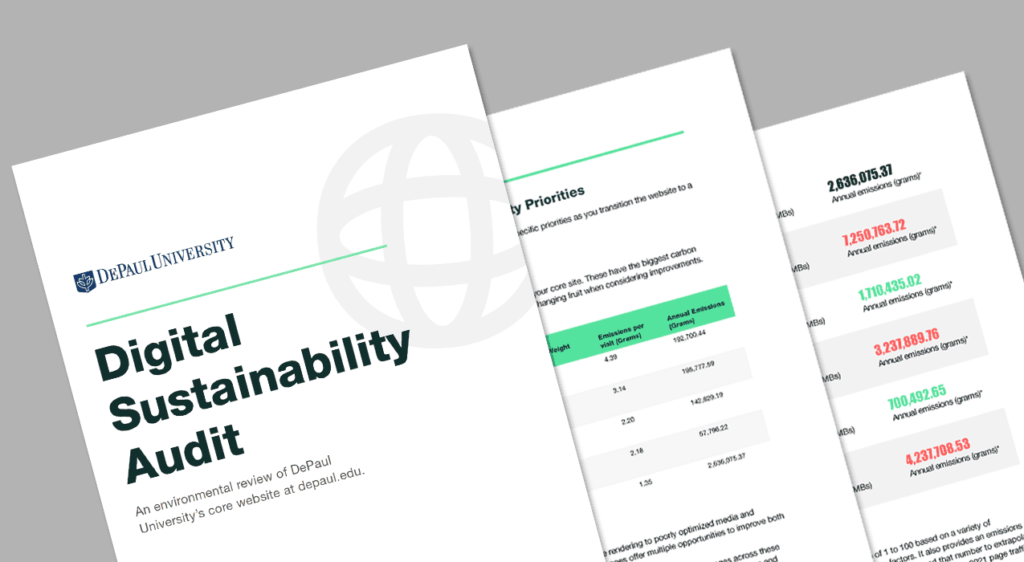
First, you can’t sweat the right details unless you clearly understand the big picture. We incorporate systems thinking into research and discovery processes. This helps us understand your entire organization and where it sits within a larger ecosystem.
It also helps us make better recommendations, enabling us to view client challenges from multiple angles, including the perspectives of less obvious stakeholders like local communities, the environment, and so on.
Sure, we conduct user research, assess technical requirements, and create personas like any digital agency, but we also ask deeper questions:
- Systems: How does the organization fit into a larger social, ecological, and economic system?
- Innovation: Do opportunities exist to foster innovation or transform an organization with this project?
- Responsibility: Can we help them incorporate more responsible digital practices within their organization?
- Collective impact: Where are the collective impact possibilities between our organizational mission and theirs? Which potential partners are well-poised to help us achieve these possibilities?
- Roadmap: Can we identify potential paths to achieving long-term growth, value, and impact? What about impediments?
- Community support: How might our efforts support affected communities?
- Planet as stakeholder: How might we regenerate ecosystems through a project?
- Continuous improvement: How might we create mutual, long-term success for all project stakeholders beyond the initial scope of work?
By asking questions like these up front during discovery processes and revisiting them throughout a project, we can identify opportunities that support better outcomes for everyone.
Example: DePaul University
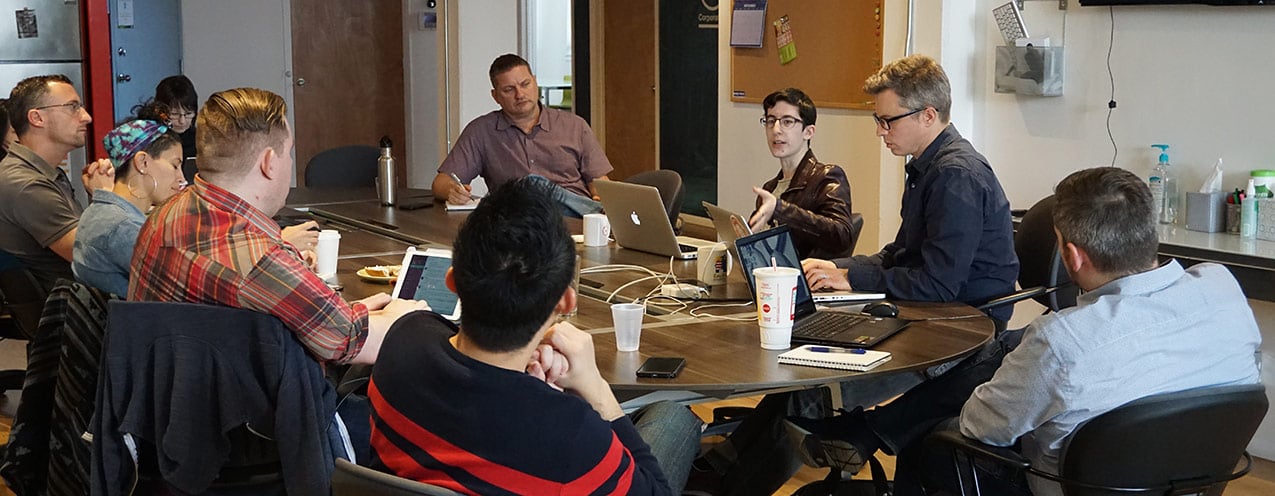
We started working with DePaul University back in 2016. When vetting vendors, the DePaul team mentioned that, in addition to our experience, Mightybytes being a Certified B Corp drew them to work with us.
To support a great customer experience that covers big picture issues in addition to day-to-day problems we solve together:
- We scheduled regular virtual check-ins to support specific project goals.
- We also conducted quarterly in-person meetings that focused specifically on strengthening our relationship.
- Also, we facilitated multiple human-centered design workshops to solve specific problems we identified together.
- As with any client, we made ourselves available at a moment’s notice should they have questions or concerns.
In turn, the collaborative nature of these interactions further engenders trust. Our relationship with DePaul University lasted eight years, during which we reached many important milestones together.
Mightybytes is a valuable partner to DePaul. They’re smart, they ask good questions and they really listen, which makes the solutions they offer very much on point. They’re responsive and nimble, with a solid team of individuals who each contribute to our success.
— Sharon Miller, Director of Web Communications, DePaul University

DePaul University Case Study
Related content: Learn more about how we enabled long-term, sustainable growth for this large university.
2. Customer Journey Mapping
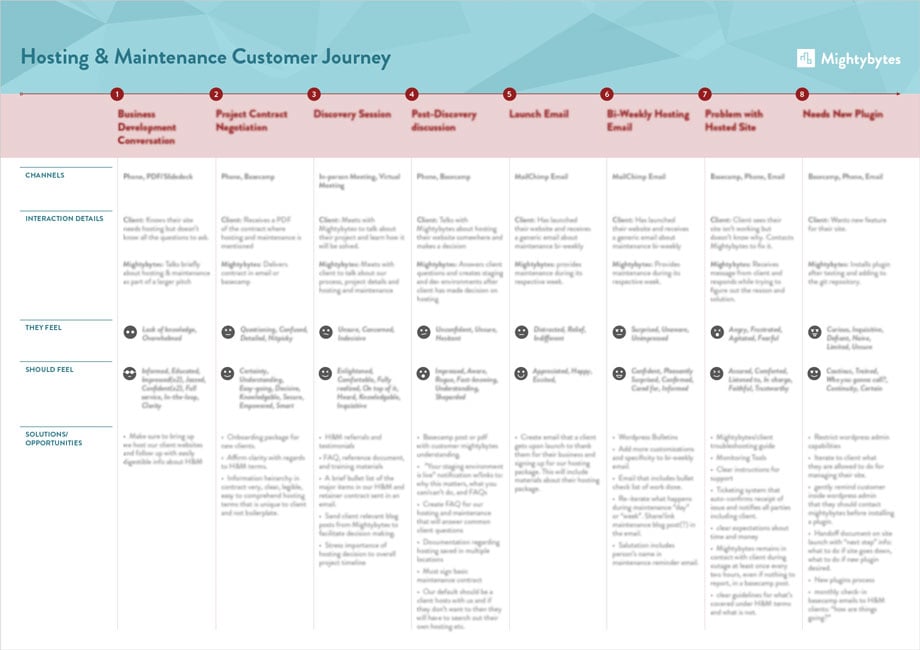
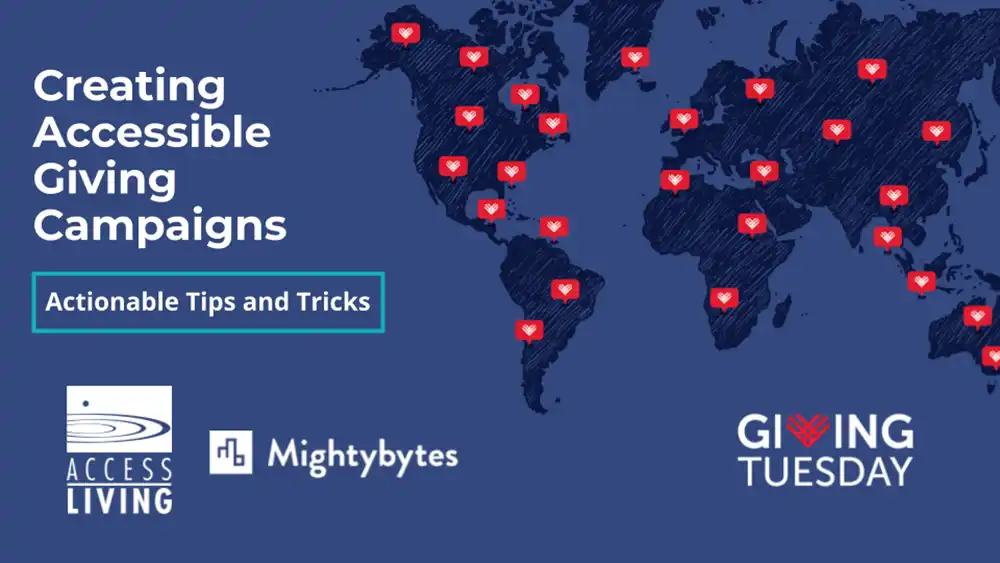
Next, to improve customer experience with an existing product or service, we’ll often facilitate customer journey mapping workshops. Mightybytes runs these workshops internally and for our clients.
The research and exercises in these collaborative workshops serve as an important means to improve customer experience.
- Current state: A current state journey map identifies touch points, channels, and people’s emotional reactions when interacting with a product or service.
- Future state: A future state journey map focuses specifically on the aspirational components of a customer’s journey. If a current product or service exists, future state maps are helpful to fix pain points identified in delivery.
Both journey map types provide a useful means to improve relationships and reduce frustration or churn. Plus, these workshops enable project stakeholders to create a roadmap that collectively improves product or service delivery over time.
Journey Mapping Guide
Related content: Get the full lowdown on how to use customer journey maps to improve CX.
Example: PCMA
A global events leader, PCMA connects, educates, and inspires business event professionals. With members in 59 countries, creating personalized digital experiences could serve as a meaningful way to connect people, especially in an industry that was devastated by COVID-19.
In tandem with other experience design techniques, PCMA and Mightybytes utilized journey mapping and stakeholder interviews to test a digital personalization hypothesis. Moreover, these practices helped us envision how we might personalize digital experiences for members and non-members alike.

PCMA Case Study
Learn how journey mapping helped PCMA make sense of a complex network of global stakeholders and provide a more meaningful experience for their members.
3. Good Collaboration Practices
Like customer experience, good collaboration doesn’t just happen. It must be intentionally prioritized and practiced.
We make good collaboration practices a priority because they yield superior solutions and build trust. Plus, they foster continuous learning.
Here’s how we achieve this:
- Curiosity: Throughout an entire engagement, and especially during discovery, we’ll always listen intently and ask many qualifying questions.
- Uncertainty: We’ll employ collaborative methods to both embrace and address uncertainty that is prevalent at the outset of any project.
- Expertise: Conversely, we are always available to answer questions and alert our clients whenever any new piece of information could impact a deliverable timeline or budget.
- Inclusion: Whose perspectives should be represented in co-creation processes? Who is missing? What can we do about this?
- Measurement: How might we measure progress against our goals over time? What is the criteria to pivot from something that’s not working?
- Fiscal responsibility: Real-time transparency about budget, scope, deliverables, timing, and so on means no surprises.
- Shared value: How might we identify opportunities to create mutual value for both organizations beyond the exchange of money?
- Risk: Finally, we are willing to pivot when needed and share risk with our clients as necessary.
In addition to the list above, we also regularly improve client onboarding processes to set clear expectations, answer important questions up front, and minimize the potential for misunderstandings.
Example: Access Living
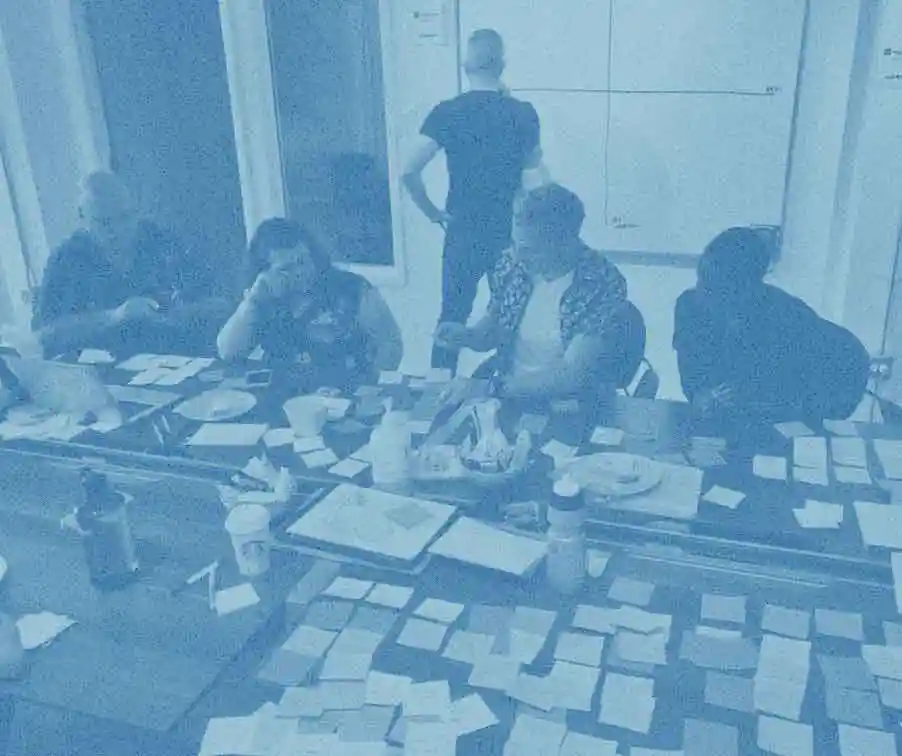
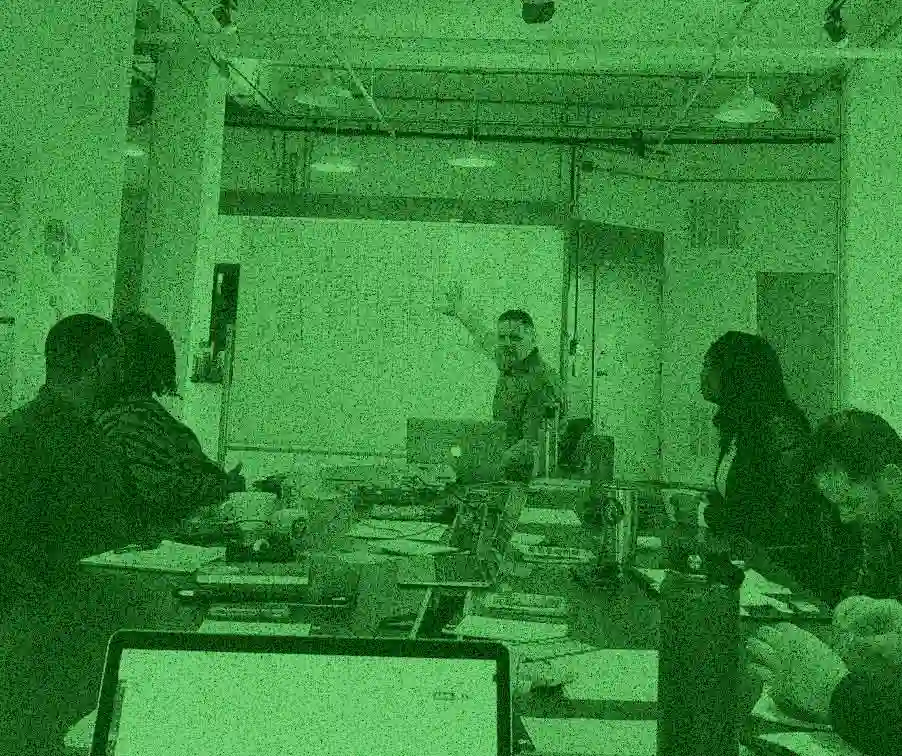
From redesigning their website to building an accessibility testing partnership and collaborating on multiple content, webinar, and accessibility projects, our relationship with Access Living spans many projects over more than seven years. Each helps Access Living make progress on an always-changing list of key organizational goals.
Mightybytes is an essential partner to Access Living. The website they designed and built helps us provide useful resources to over 100,000 people with and without disabilities every year. They also give strategic guidance alongside maintenance and ongoing support to ensure we keep making progress toward our goals over time.
— Ashley Eisenmenger | Director of Communications | Access Living

Also, while Mightybytes is not a staffing firm, it means a lot to us that Access Living trusts us enough to augment their team when people go on leave or during staff transitions.
Access Living Case Study
Get more details on our robust, multi-year partnership with Access Living.
4. Transparency and Accountability
Also, partnering creatively with organizations across sectors can advance collective action. This is especially important for much needed regulatory guidance on important issues. However, doing so requires high levels of transparency and accountability.
Incidentally, government affairs and collective action activities are also required to maintain Mightybytes’ B Corp certification. For example, Mightybytes must publish and maintain a publicly available Responsible Lobbying Policy, among other things.
Focusing on collective impact helps us:
- Align customers, suppliers, and other stakeholders with our mission and the projects we take on.
- Devise new ways to strengthen stakeholder relationships and advance the Impact Economy.
- Influence legislation and regulatory guidance through strategic partnerships and other means.

Example: The Alliance for the Great Lakes
Mightybytes began our partnership with the Alliance for the Great Lakes in 2016. What started with a site redesign and a shared commitment to save the world’s largest body of freshwater has evolved to span a wide array of strategic initiatives that benefit both organizations:
- Website: We have collaborated with the Alliance team on a wide variety of website and digital marketing-related projects during our ten+ years of working together.
- Prototyping: The Alliance has always been a willing partner in helping us prototype new products, services, or programs that we think could help other nonprofits.
- Events: From webinars and beach cleanups to the B Corp Champions Retreat in Milwaukee, we share educational, advocacy, fundraising, and promotional opportunities to help each organization thrive.
- Climate Ride: Teams recruited for Climate Ride’s charity events have pedaled thousands of miles and raised tens of thousands of dollars for the Alliance.
- Advocacy: Mightybytes has added our voice to advocacy efforts by signing petitions and participating in Great Lakes Day in Washington, DC.
- Board service: I have personally served on the Alliance’s board of directors since 2022 and on the executive committee as its Treasurer since 2025.
Critically, since AGL is a client and I serve on their board, Mightybytes maintains full transparency and accountability throughout the work we do together. Any projects that require an exchange of money for services need full board approval in order to proceed and are captured in board meeting minutes.
Plus, the Alliance’s work on large-scale water users in the Great Lakes region, including AI data centers, overlaps significantly with Mightybytes’ web sustainability initiatives.
By viewing partnerships through a lens of trust, transparency, and accountability, we are able to create mutual value while also advancing advocacy efforts.
We have learned much more from Mightybytes than we would expect from a conventional vendor. The company challenges us to think differently about what actions we want our supporters to take, how we raise money, and what our relationships with the for-profit sector could and should become.
— Joel Brammeier, President and CEO, Alliance for the Great Lakes


Alliance Case Study
Learn more about how we inspire advocates to save the world’s largest source of freshwater.
5. Healthy Tension
Any long-term relationship runs the risk of turning sour, despite everyone’s best intentions. Sometimes, it’s easy to misinterpret requests, conversations, or tasks. Digital projects especially are often complicated, taking many months and leaving numerous opportunities for miscommunication.
So, how do you maintain value, trust, and mutual respect while also navigating uncertainty, managing expectations, and keeping everyone happy?
Embrace the tension. Lean into it. But do so in healthy, constructive, and mutually productive ways.
In our experience, project hiccups are either about simple misunderstandings, which are generally easy to navigate, or mismanaged expectations, which often aren’t. By designing processes with built-in opportunities to release steam and course-correct, navigating these situations becomes easier.
Marketing tech, and the practices that accompany it, change all the time. It can be tough to keep up. I’d prefer to work with an agency that will guide us and work with us to navigate these changes rather than one that just wants to own all our marketing. This requires clear, ongoing communication and mutual trust. It’s okay to disagree as long as we’re all working toward the same goal.
— Jeff Marcous, Founder, Dharma Merchant Services

Despite having rigorous processes in place and nearly 30 years experience building hundreds of complex websites and digital products, we do occasionally miss something. We’re only human. The most important thing is that we learn from these situations so as not to repeat them.
When misunderstandings occur:
- We’re not afraid of difficult conversations as long as the target outcome is that both parties agree on the best path forward.
- We make every attempt to rectify the situation with the least amount of impact on project success.
- We own our mistakes and expect our clients to do the same.
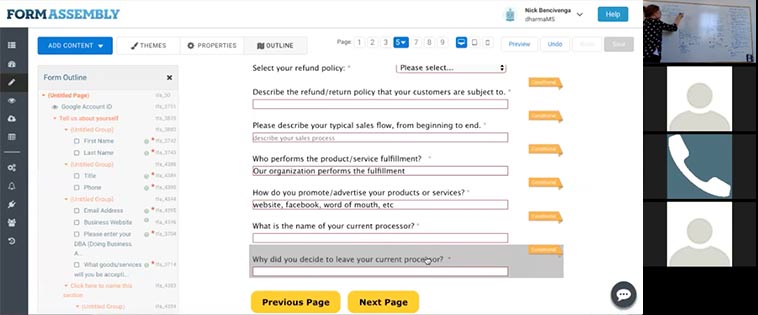
Example: Dharma Merchant Services
Several misunderstandings occurred during the launch of Dharma Merchant Services’ company website in the mid 2010s. Uncomfortable conversations led to a brief period where we were estranged.
However, as a fellow B Corp, we know Dharma shares our values and long-term vision, so we came together, collectively course-corrected, and worked toward mending differences.
Over a dozen years later, our relationship is stronger than ever and we’re able to create success for both organizations, helping each other thrive along our respective business journeys.
Dharma Case Study
Learn how Mightybytes has partnered with Dharma to create shared value for over a dozen years.
Scaling Impact for Better CX
Finally, the stories above exemplify how Mightybytes employs customer experience methods described in this article to drive long-term success for us and our clients through the following practices:
- Service and Experience Design
- Stakeholder-focused governance
- Continuous learning and improvement
If you’re researching our company or wondering what it’s like to work with us, we genuinely hope this helped. If you still have questions or if you think you could benefit from this kind of productive partnership, please feel free to give us a shout or schedule a call with me at the bottom of this post. We would love to strike up a conversation with you.
Frequently Asked Customer Experience Questions
Still have questions? Here are answers to some of the most commonly asked questions about using Service Design to improve customer experiences.
Service Design is the practice of creating the communications, infrastructure, and governance policies and practices necessary to deliver better services that improve customer experiences.
Key indicators that you might need Service Design include regular customer complaints, team confusion around processes, or mistrust among organizational stakeholders.
Understanding how people feel during their interactions with your organization, especially in product, service, or program delivery, opens up ample opportunities to improve customer experiences, both in-person and through digital channels.
Service Design practices like preparatory research, journey or experience mapping, investigative rehearsals, prototyping, stakeholder interviews, and others reveal important customer experience insights. These enable your team to improve relationships so people feel excited to do business with you.
According to Edelman’s Trust Barometer, trust in organizations, especially businesses, is continuing a record-breaking downward slide. AI and social media algorithms can exacerbate trust issues.
Investing in customer experience shows you care about those with whom you conduct business, which builds trust, improves relationships, and can provide tangible returns.
Track customer churn over time and research why they leave your organization for another solution. Identify trends or patterns, then estimate the hard costs associated with this churn. Chances are, this will make a clear case to improve customer experience.
Service Design offers compelling ways to achieve this.
The benefits of using Service Design to improve customer experience are numerous.
First, it aligns your team around a shared blueprint for success. Testing and prototyping early also reduces costly reworks. Plus, effective Service Design links customer satisfaction to retention, revenue, and other important metrics.
Finally, good Service Design improves consistency. Customers don’t care whether they’re on your app, website, or talking to a human. Service Design ensures the experience feels coherent wherever and whenever they interact with you.
Inclusive Experience Design
Learn more about how Mightybytes uses inclusive design strategies to help our clients strengthen stakeholder relationships while meeting their business goals.

Still have questions about our work?
Schedule a free strategy call with Tim.